
Locate the source
Identify the primary passage, tablet, inscription, manuscript witness or lexical form and establish exactly where the evidence comes from.
About the project
The history of metallurgy has been investigated with extraordinary sophistication through archaeology and archaeological science. At the same time, a vast textual record survives across Greek, Latin, Linear B, cuneiform, Egyptian and other ancient traditions. The Kassiteros Project exists to bring those bodies of evidence into sustained conversation.
Project background
Ancient metallurgy has no shortage of evidence. What has been missing is a sustained framework for reading its material, textual, linguistic and geographical records together.
Research on ancient metallurgy is internationally strong, but the textual evidence is scattered between disciplines. Archaeologists naturally prioritise material evidence; classicists, Assyriologists, Egyptologists and historical linguists tend to work within their own textual traditions. The result is that texts and artefacts often run on parallel tracks rather than forming a single historical evidence base.
A major predecessor was James D. Muhly, whose 1969 Yale doctoral thesis was revised and published in 1973 as Copper and Tin: The Distribution of Mineral Resources and the Nature of the Metals Trade in the Bronze Age. Individual scholars, including Barry Cunliffe and C. F. C. Hawkes, have also shown how documentary and archaeological evidence can illuminate one another. The Kassiteros Project is intended to revive and extend that line of enquiry as a sustained, cross-cultural research programme.
The Kassiteros Project was founded in Cornwall in 2022 after Ben Sumpter encountered Diodorus Siculus’ description of Ictis, the mysterious British island associated with the ancient tin trade. The attempt to understand that passage led first into Ancient Greek and Latin, and then outward into the much earlier textual worlds of Mycenaean Greece, Egypt and the ancient Near East.
Selected research precedents
Methodology
The project works source-first and comparatively: locating the ancient evidence, establishing what the texts actually say, tracing how metallurgical terms change across languages and periods, and then testing those claims against archaeology, geography and scientific data.
Identify the primary passage, tablet, inscription, manuscript witness or lexical form and establish exactly where the evidence comes from.
Work from original languages where possible, compare editions and translations, record textual uncertainty, and use specialist scholarship or collaborators where required.
New Perspectives on Ictis →Compare textual claims with objects, mines, production evidence, chronology, compositional studies and archaeological context rather than treating literature in isolation.
Image: Zunkir / Wikimedia Commons, CC BY-SA 4.0; cropped and darkened for display.Use historical geography, coordinates, route reconstruction and linked place data to test how ancient descriptions relate to physical landscapes and exchange networks.
Turn source work into structured corpora and datasets so that interpretations can be inspected, filtered, compared and revised as evidence changes.
Track metallurgical terminology and concepts between languages, periods and technological traditions without assuming that one region supplies the universal model.
Image: Chris Andrews / Geograph via Wikimedia Commons, CC BY-SA 2.0; cropped and darkened for display.Research scope
The scope now extends beyond the Mediterranean and Near East. Kassiteros is interested in linguistic palaeontology and the global history of metallurgical vocabulary, including traditions that developed beyond the major Eurasian tin-working networks, from southern Africa to the pre-Hispanic Americas.
Project ethos
Kassiteros is independent, multidisciplinary and evidence-led. It treats uncertainty as information, distinguishes source from interpretation, and aims to make research data and editorial decisions inspectable rather than opaque.
No single discipline owns the history of metallurgy. Archaeology, texts, languages, scientific analysis and geography are treated as complementary evidence.
Where possible, records expose the original source, edition, translation status, bibliography and the distinction between observation and interpretation.
Damaged texts, disputed readings, uncertain identifications and competing hypotheses are preserved rather than flattened into artificial certainty.
Kassiteros aims to publish reusable datasets, documented methods and research outputs that can be corrected, extended and challenged.
Team
The project is currently led by Ben Sumpter and is designed to grow as additional researchers and specialist collaborators join.
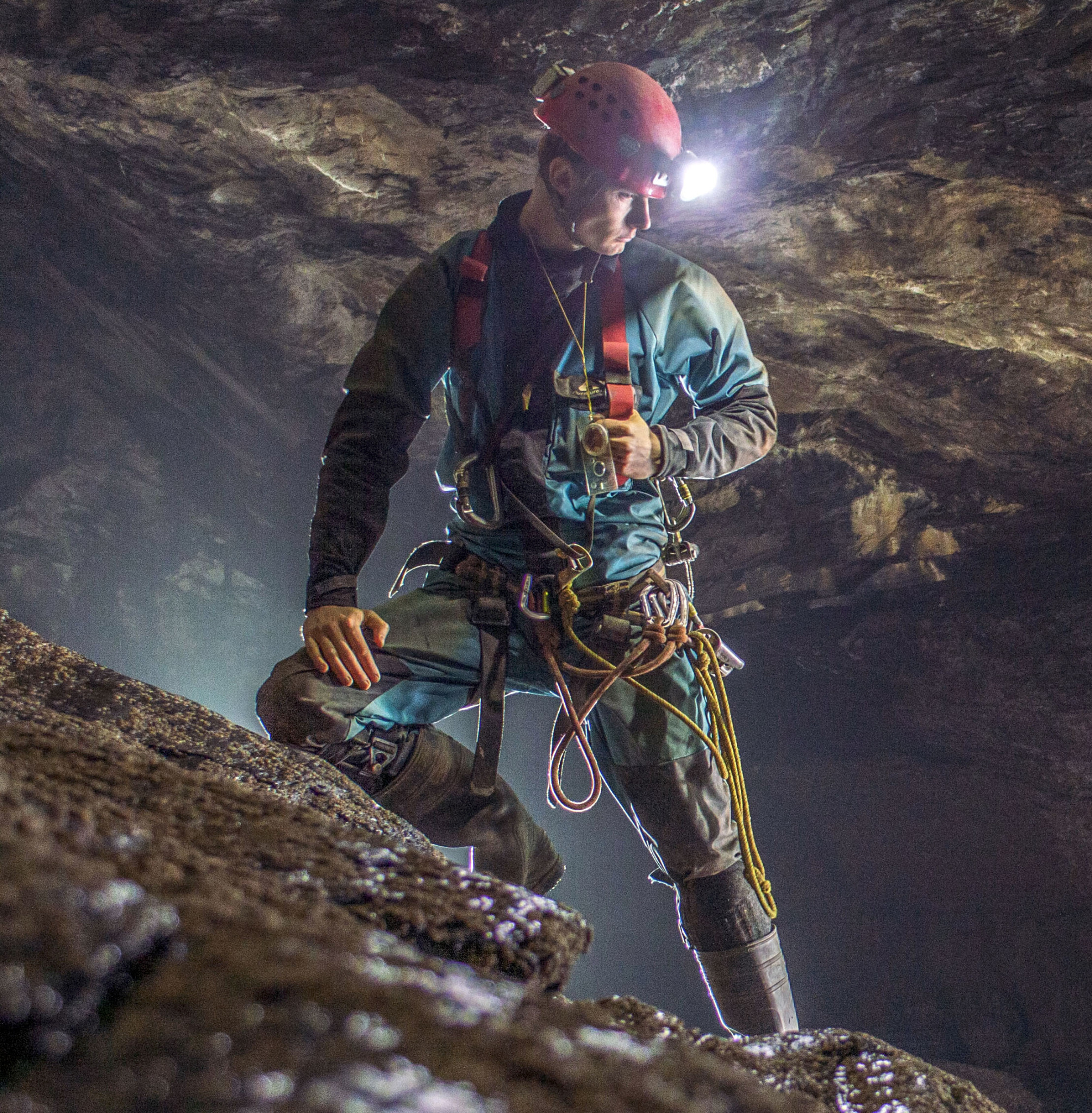
Founder & Researcher
Cornwall, UK
Ben Sumpter founded the Kassiteros Project in Cornwall in 2022 after encountering Diodorus Siculus’ account of Ictis and the ancient British tin trade. The question of Ictis became an early focus of the project and led him to study Ancient Greek and Latin in order to locate, compare and translate the surviving sources directly.
As the project developed, its scope widened from later Iron Age and Roman literature to the Bronze Age textual worlds of Mycenaean Greece, Egypt and the ancient Near East, and to the comparative history of metallurgical language more broadly.
Collaboration & partners
The Kassiteros Project welcomes collaboration with archaeologists, philologists, linguists, historians of technology, archaeological scientists, museums, excavations and research institutions. Project partners will be listed here as formal collaborations develop.
This section will expand as formal research, museum, laboratory and institutional partnerships are established.

